


Exploring the cultural intricacies of gambling across the globe
The Historical Context of Gambling
Gambling has deep historical roots that intertwine with various cultures throughout the world. From ancient China, where games of chance were played with tiles, to the Roman Empire, which had a penchant for betting on chariot races, the allure of gambling has persisted across centuries. Each society has developed its own unique forms of gambling that reflect its values, beliefs, and social structures, much like taya 365 does today.
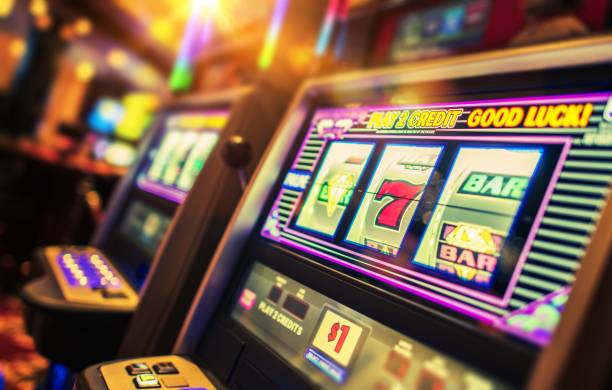
For many civilizations, gambling was not merely a pastime but a means to engage in social bonding and community interaction. The rituals surrounding gambling often involved complex customs and traditions, which were passed down through generations. This historical context sets the stage for understanding modern gambling practices and their cultural significance.
Luck and Skill in Gambling
The dichotomy between luck and skill is a central theme in gambling, influencing how different cultures approach games of chance. In many Western societies, games like poker and blackjack emphasize strategic thinking and skillful play, making them popular among players who prefer to rely on their abilities. Conversely, in many Asian cultures, traditional games like mahjong and sic bo often hinge more on luck than skill, which can alter the social dynamics and perceptions surrounding these games.
This contrast illustrates not only differing cultural attitudes towards gambling but also how those attitudes shape the development of various games. Understanding whether a game is seen primarily as a test of luck or skill can provide insights into its popularity and the types of communities it fosters.
The Role of Regulations and Norms
Regulations surrounding gambling vary widely from country to country, reflecting cultural values and attitudes towards risk-taking and entertainment. In some regions, such as Las Vegas in the United States, gambling is a major industry and is fully embraced by the local economy. Conversely, in countries like Japan, gambling is heavily regulated and often restricted to specific forms like pachinko parlors, emphasizing a more conservative approach to wagering activities.
These regulations also affect social acceptance and participation in gambling. While some societies may view gambling as a harmless leisure activity, others may associate it with vice or moral decay, influencing how gambling is integrated into social life. This complex interplay of regulations and societal norms shapes the gambling landscape in profound ways.
Cultural Symbolism and Gambling
Cultural symbolism plays a significant role in the perception and practice of gambling around the world. Many cultures incorporate specific symbols believed to bring luck, influencing not just personal beliefs but also the marketing and branding of gambling establishments. For instance, the number seven is often associated with luck in many Western cultures, while in Chinese culture, the number eight is seen as auspicious.
These symbols can be found in various aspects of gambling, from the design of casino decor to the language used in games. They not only enhance the overall experience for players but also create a shared cultural language that connects individuals across different backgrounds, illustrating how deeply embedded gambling is within societal narratives.

Discovering More Through Our Website
Our website serves as a comprehensive resource for those interested in exploring the multifaceted world of gambling and its cultural intricacies. We delve into the historical, social, and economic aspects of gambling, providing insights that enrich understanding and appreciation for this global phenomenon. From articles about traditional games to analyses of modern casinos, our content caters to a diverse audience.
By engaging with our platform, visitors can uncover the diverse cultural expressions of gambling, learn about unique customs, and examine how attitudes toward risk and luck shape gambling experiences around the world. Join us in this exploration and deepen your knowledge of gambling’s role in various cultures.